
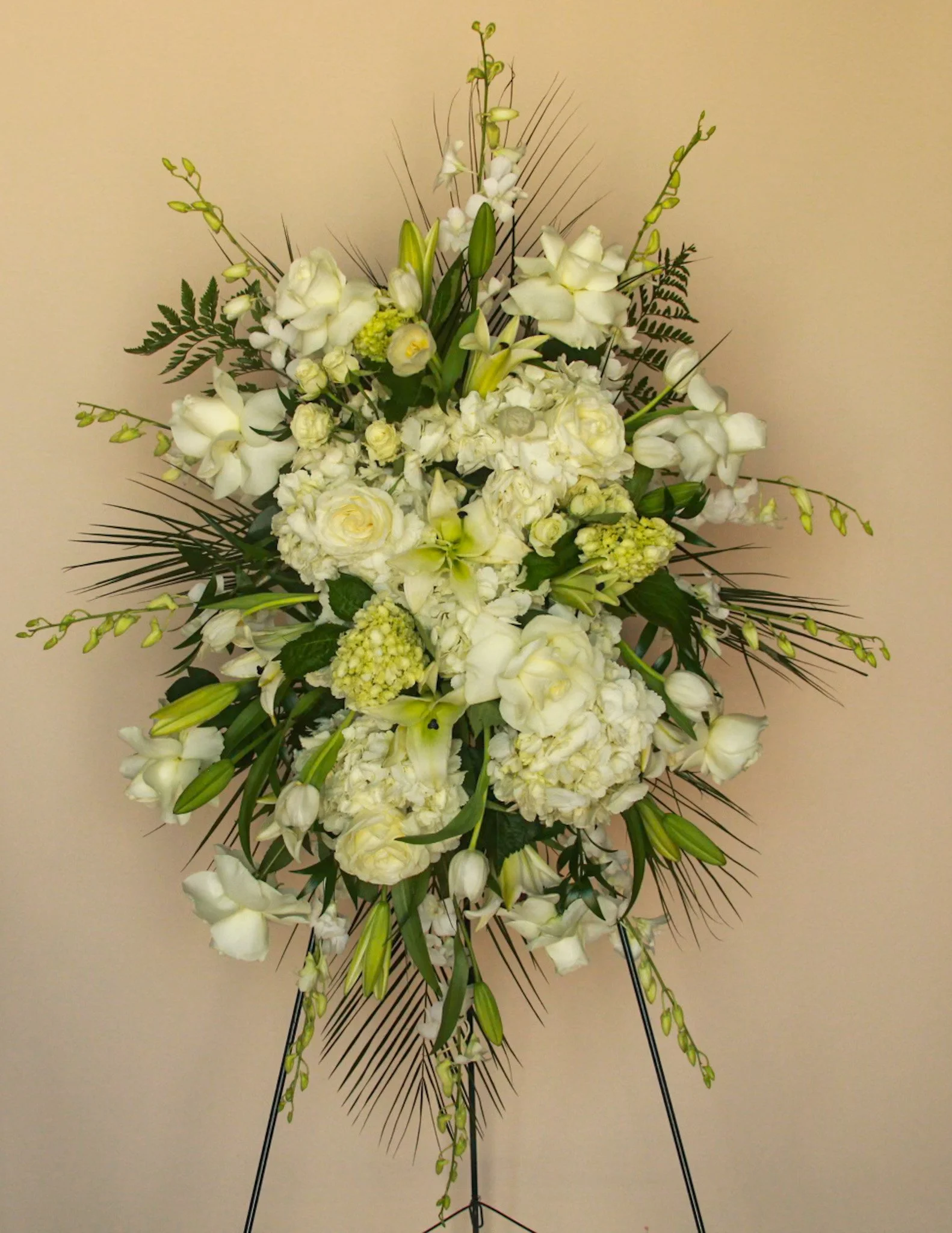
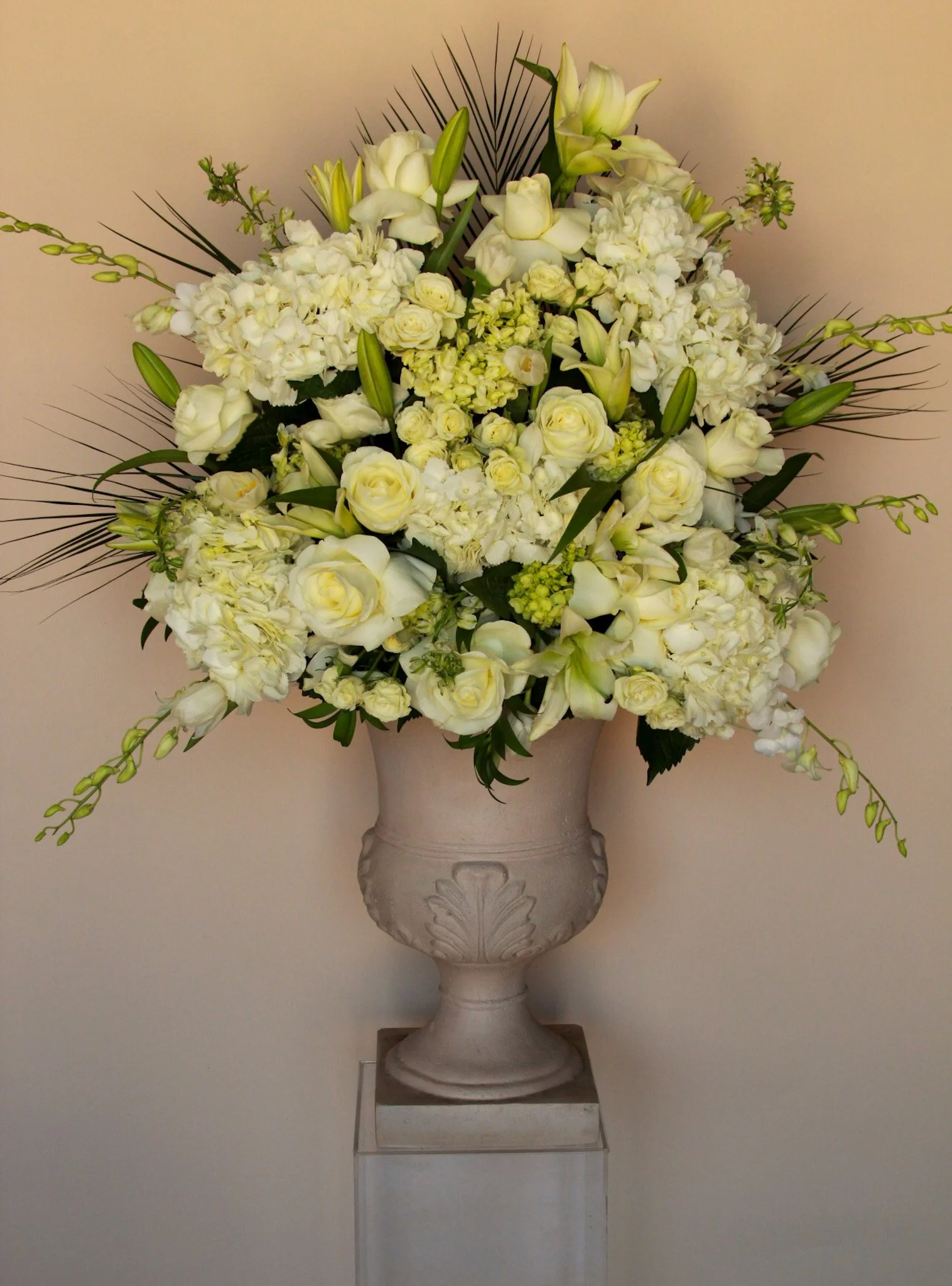
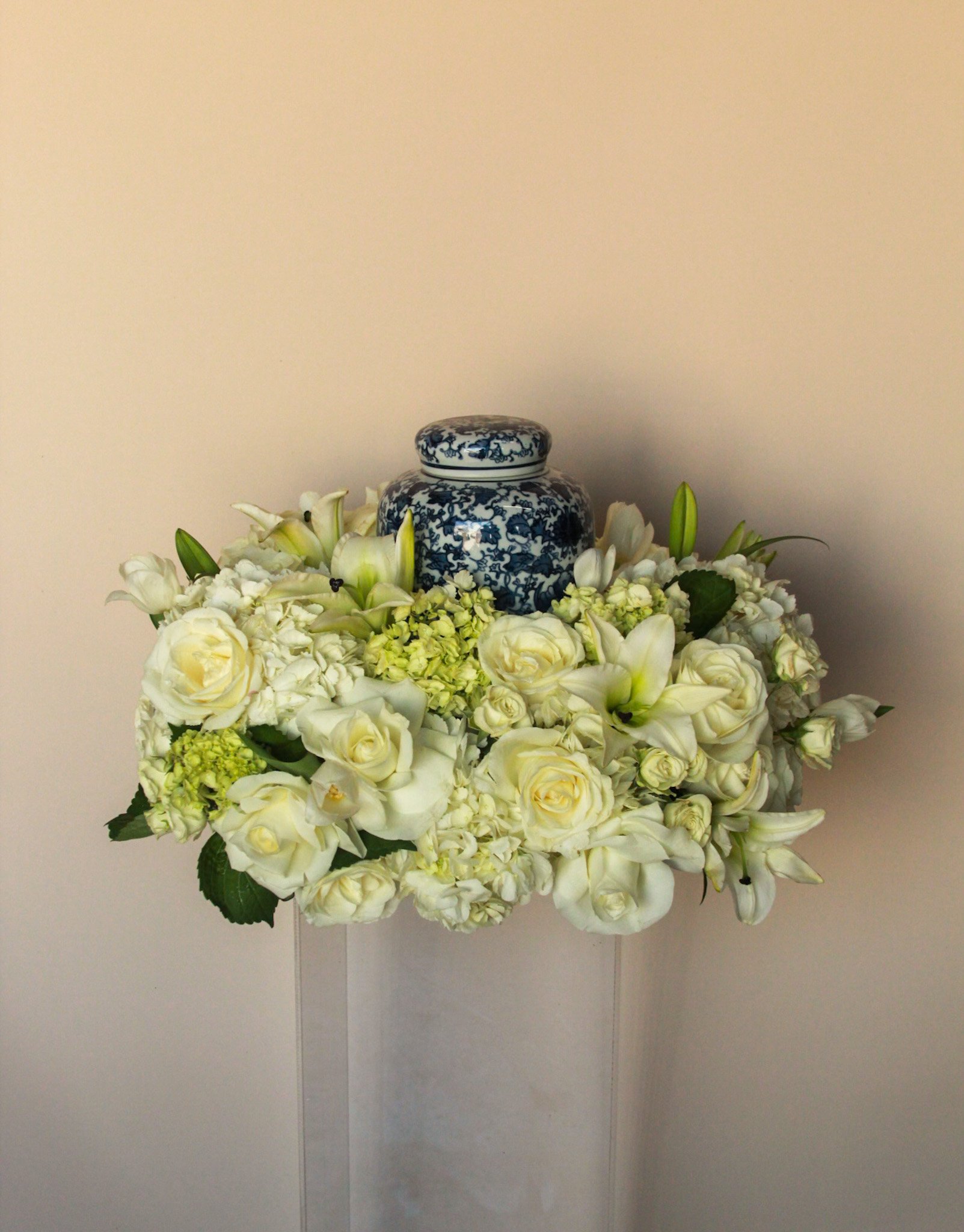
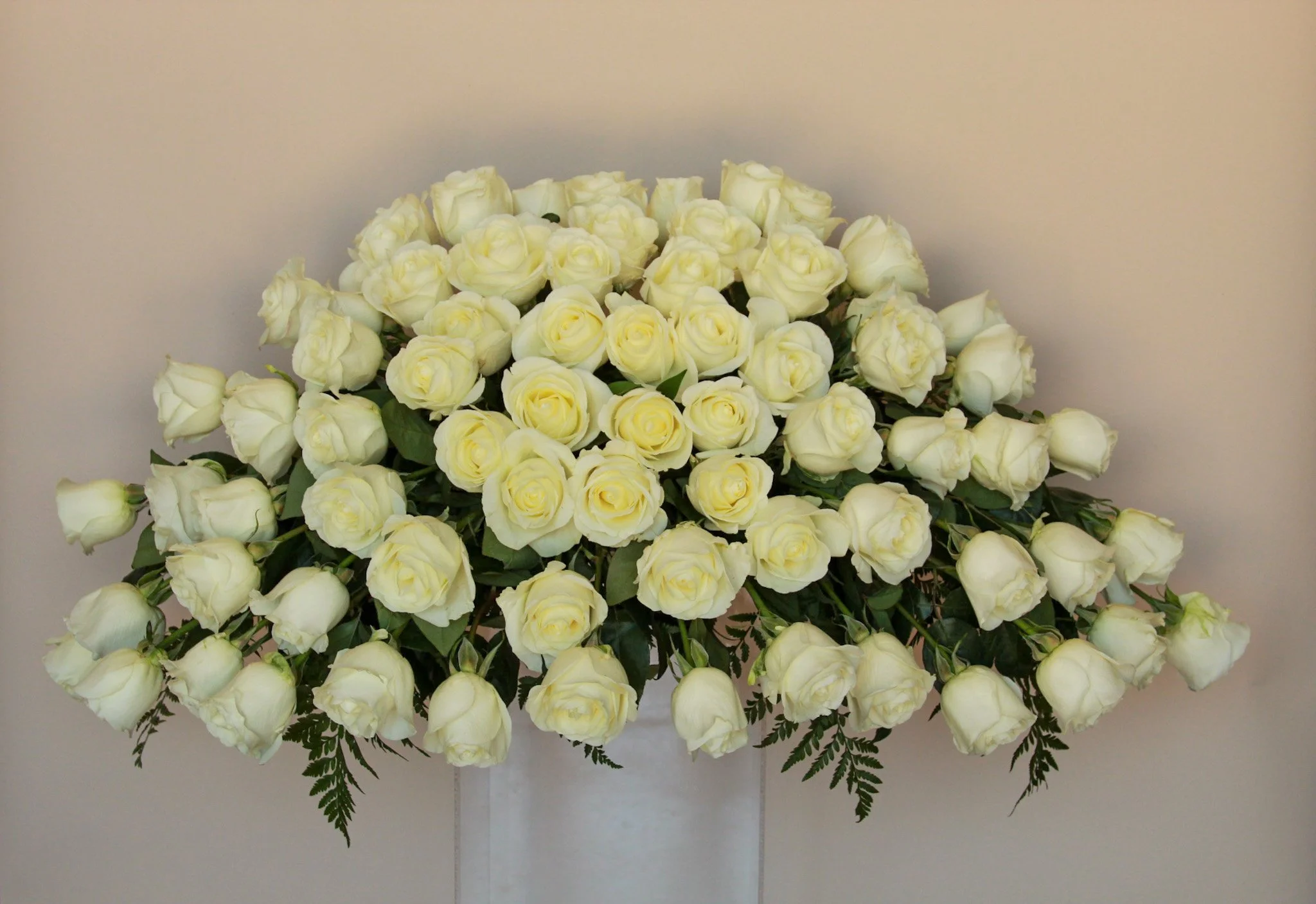
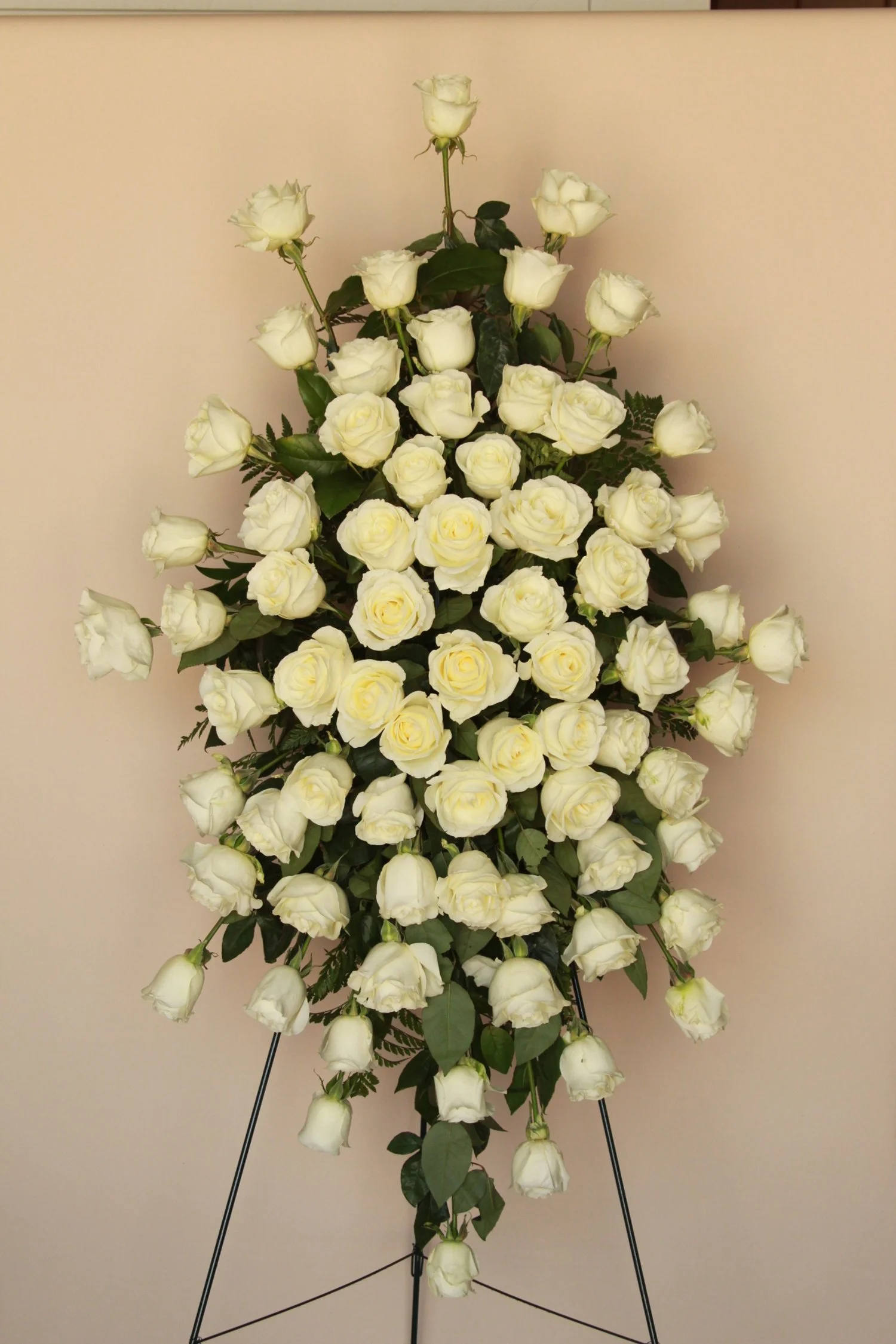
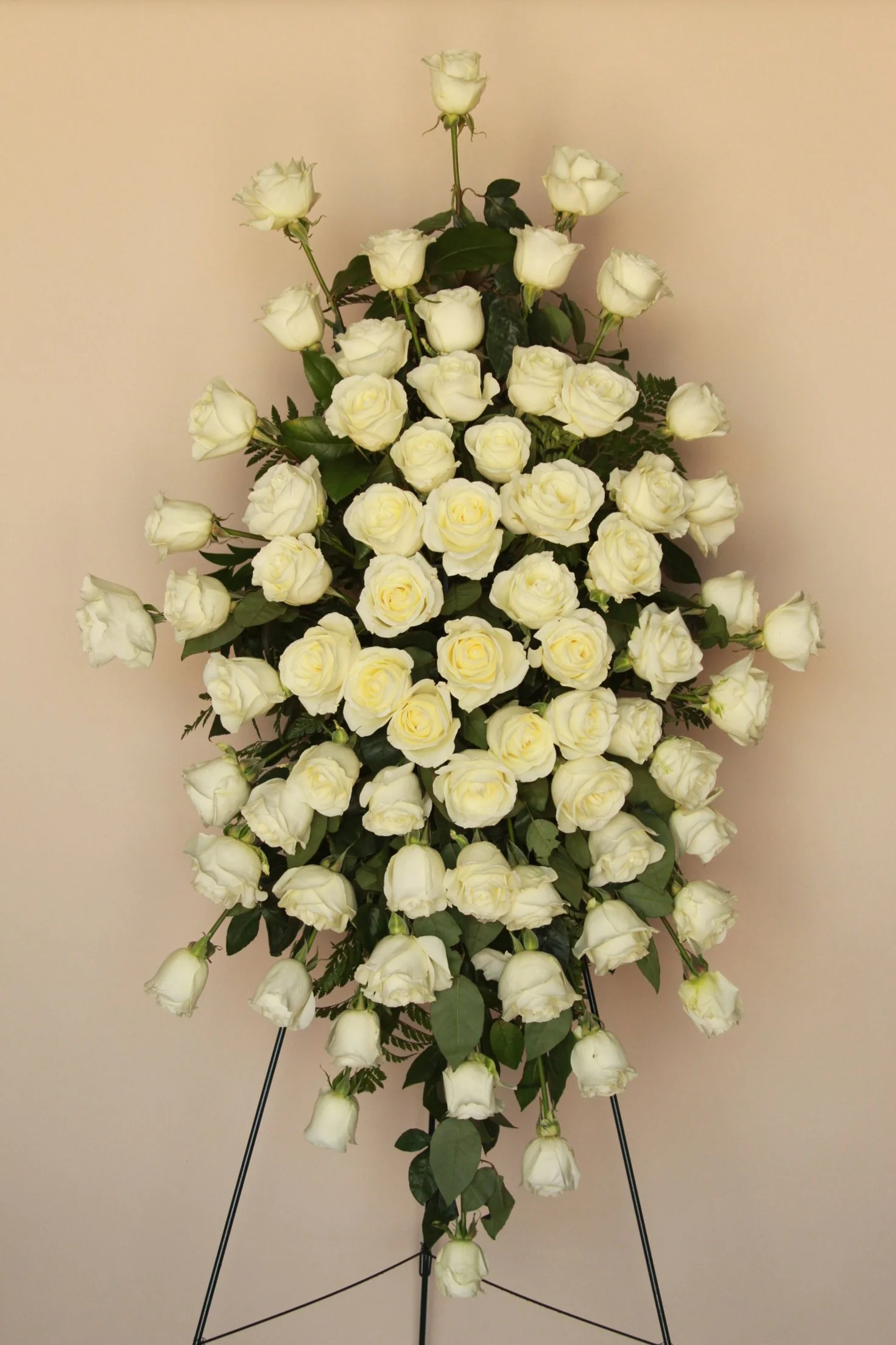
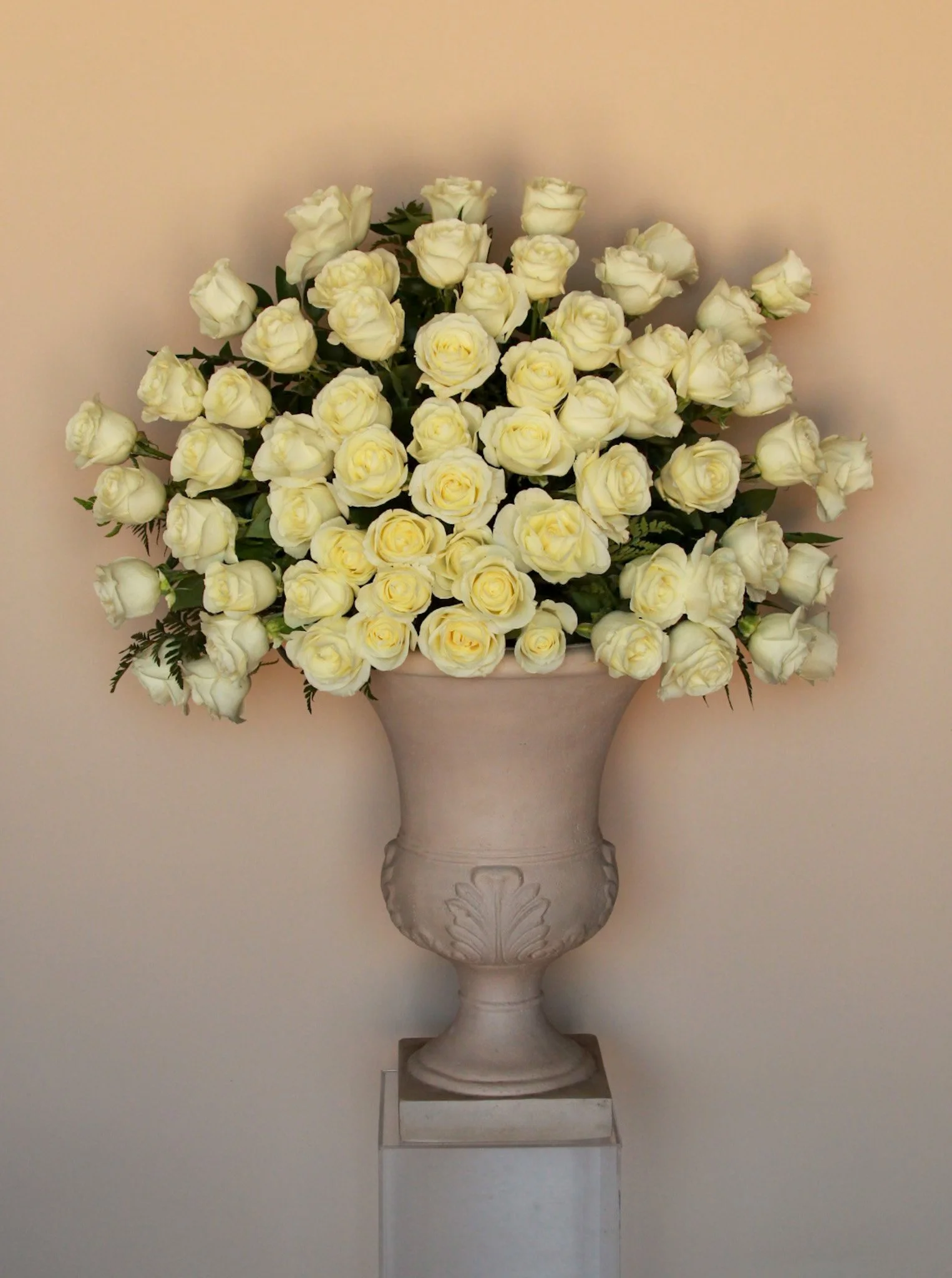
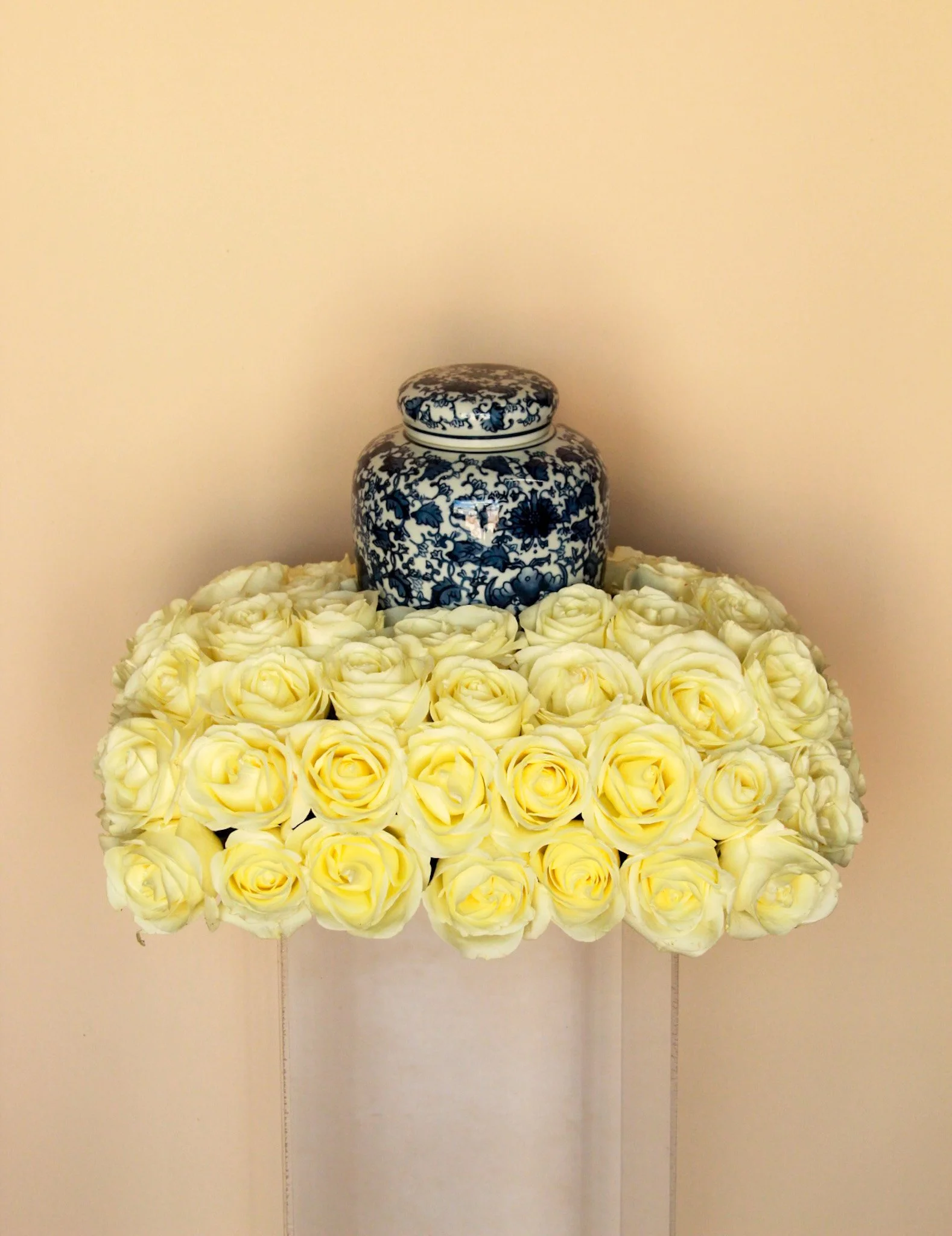
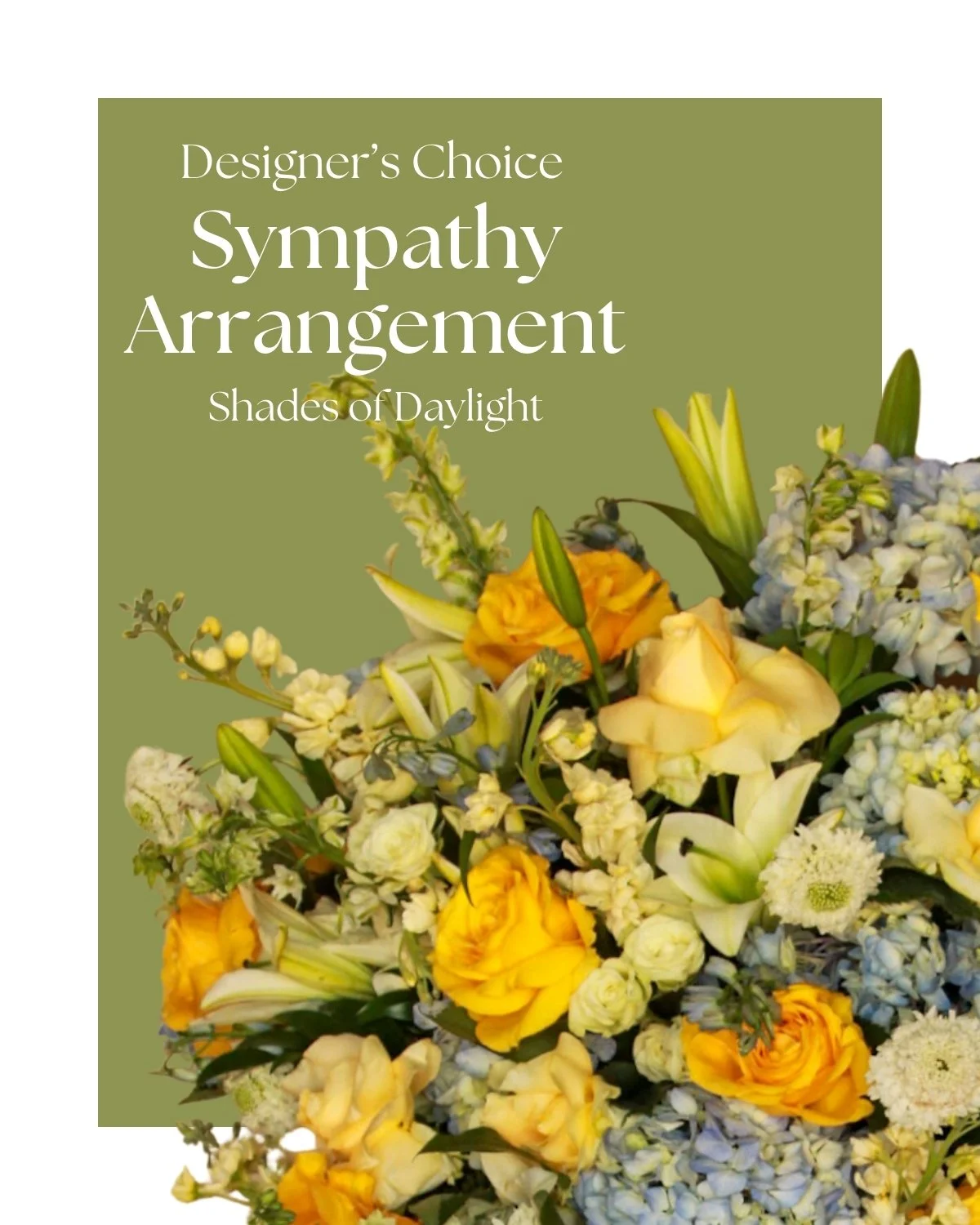
Sympathy Flowers
Which flowers are appropriate for sympathy?
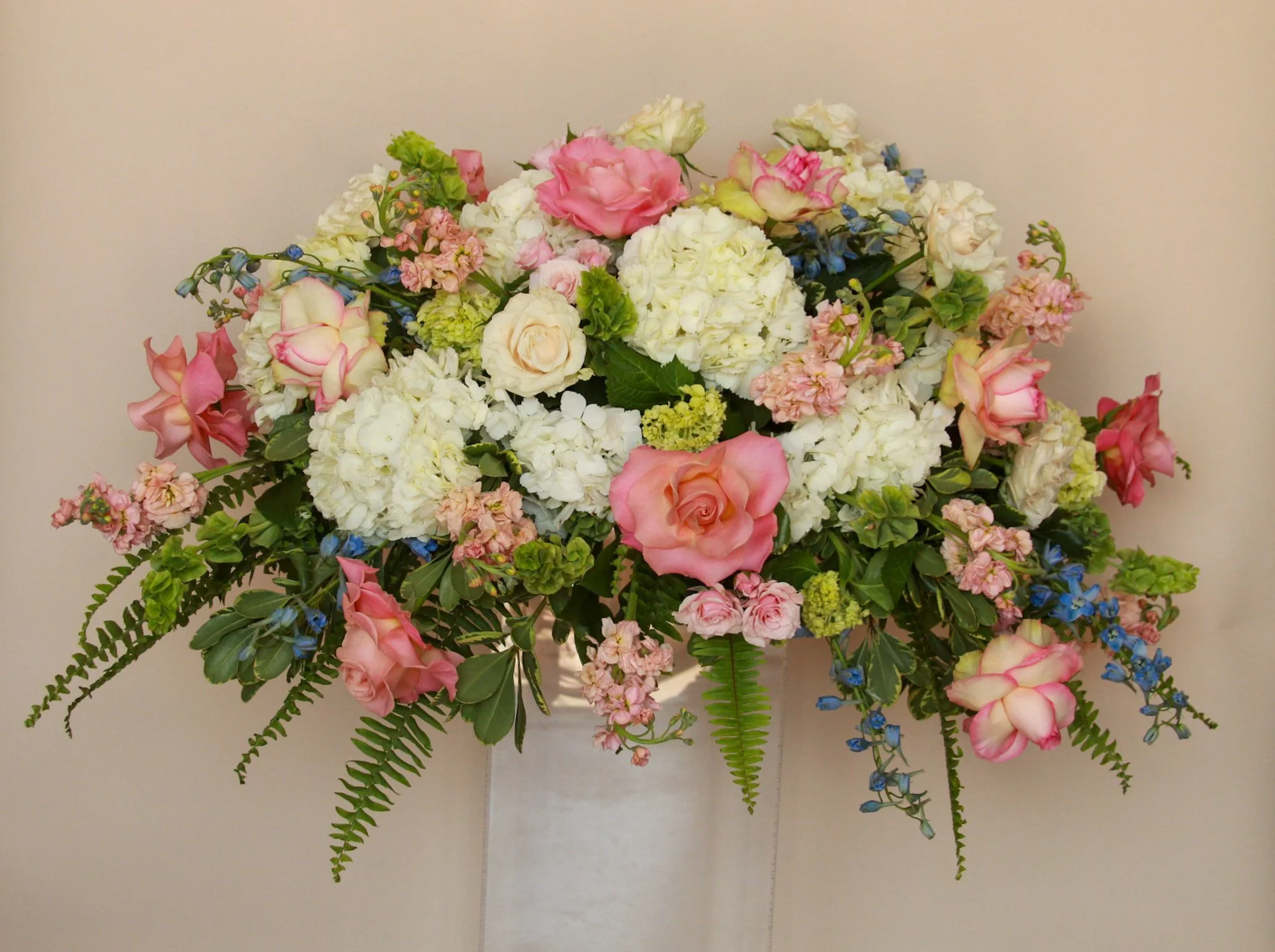
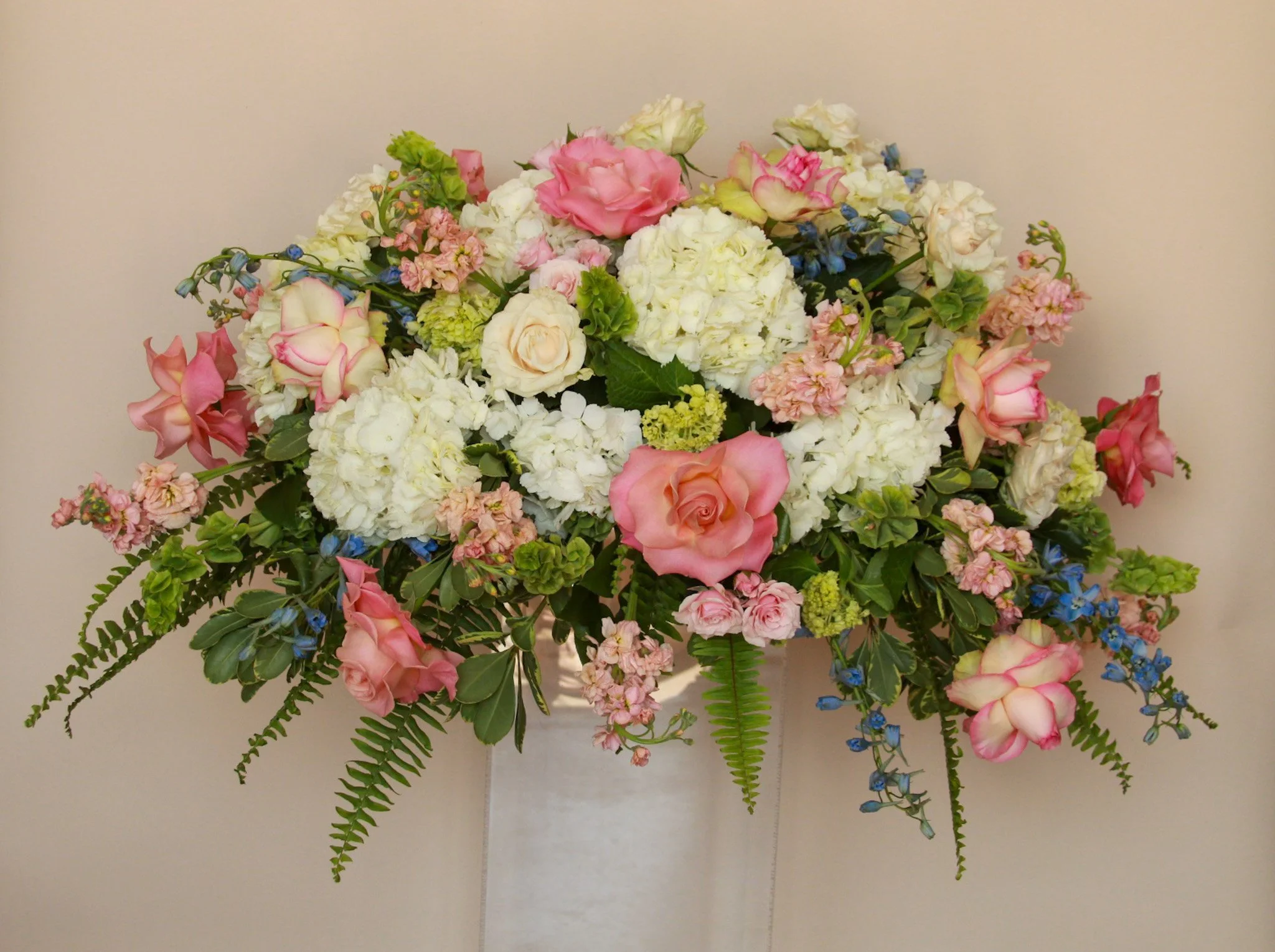
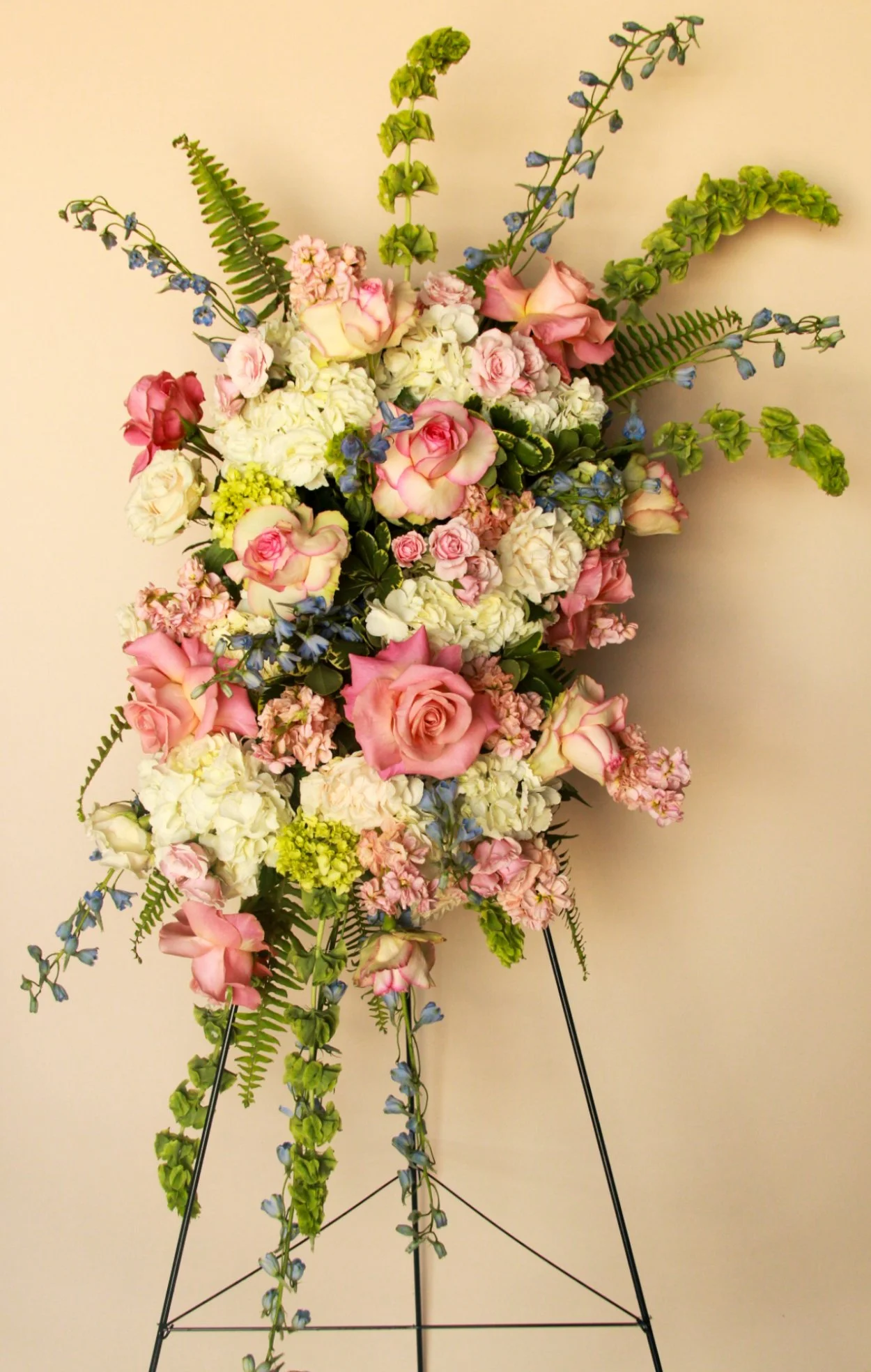
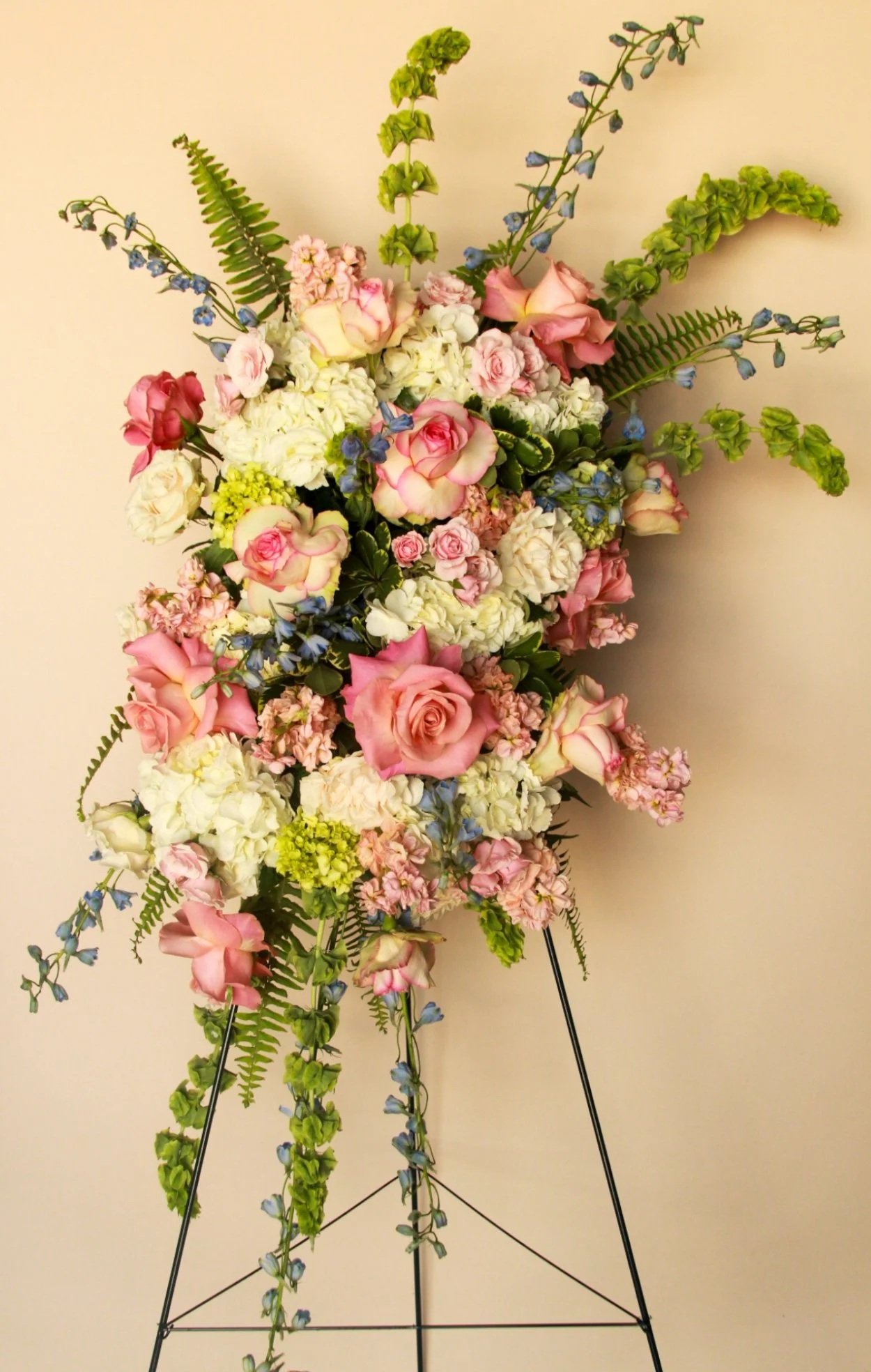
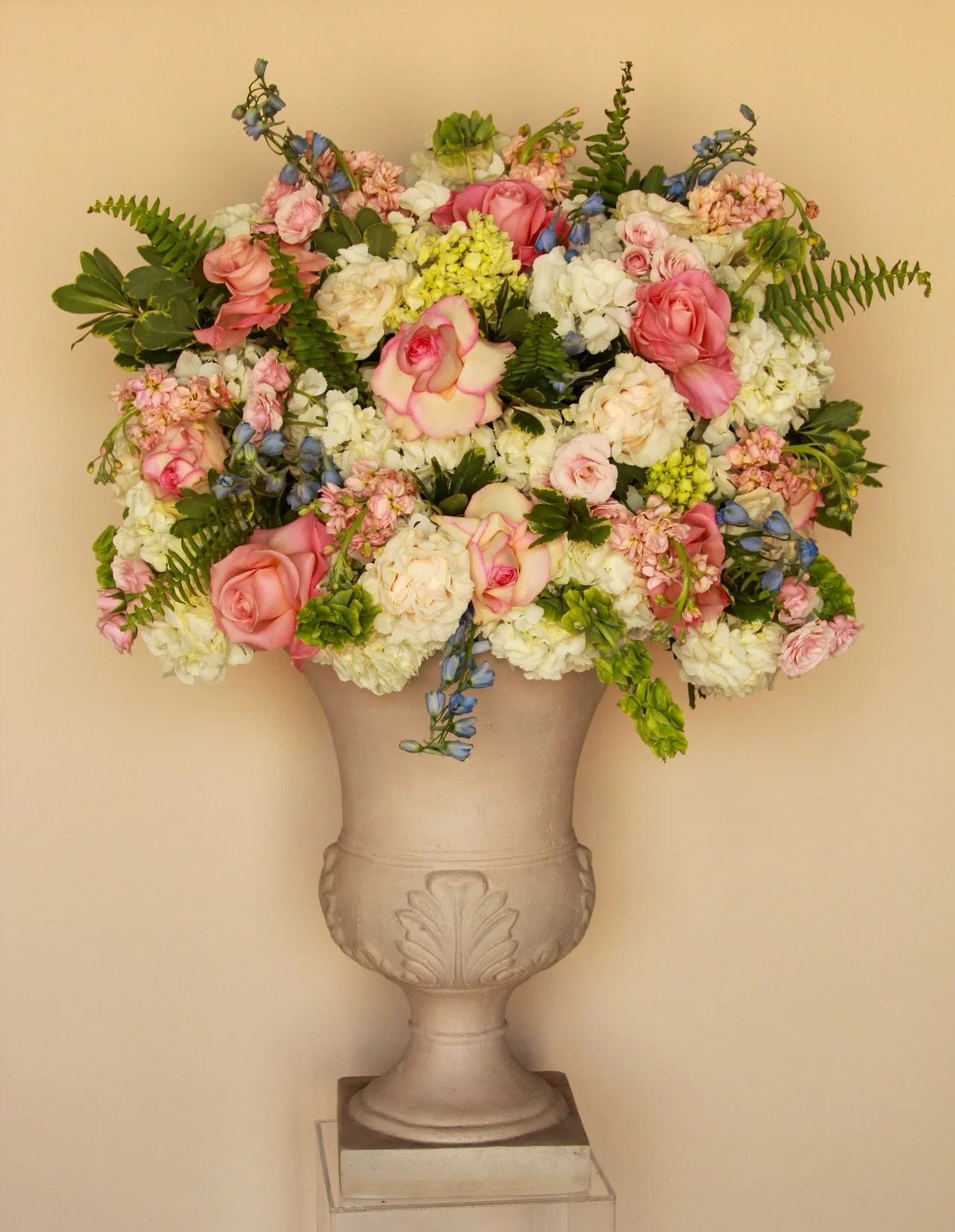
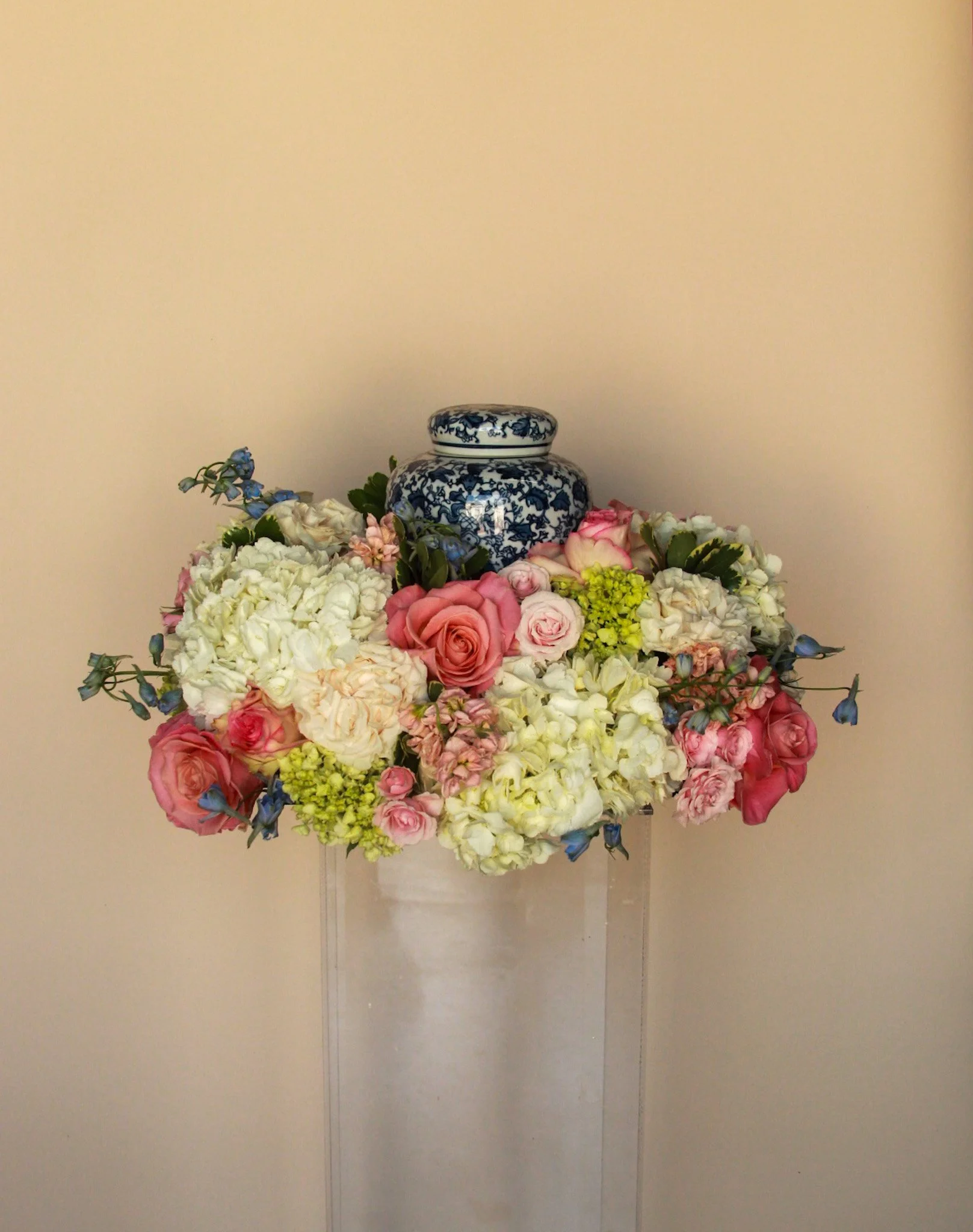
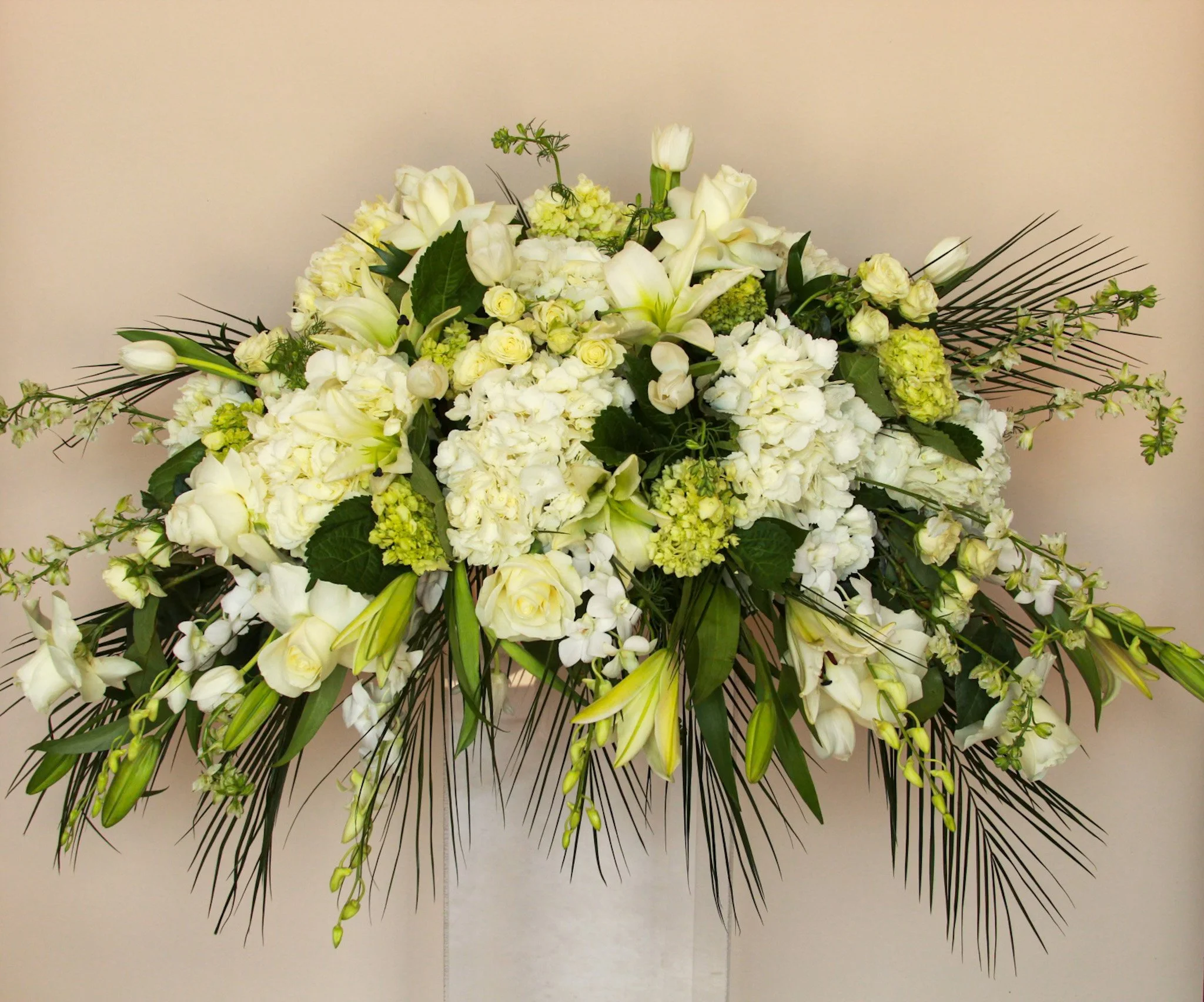
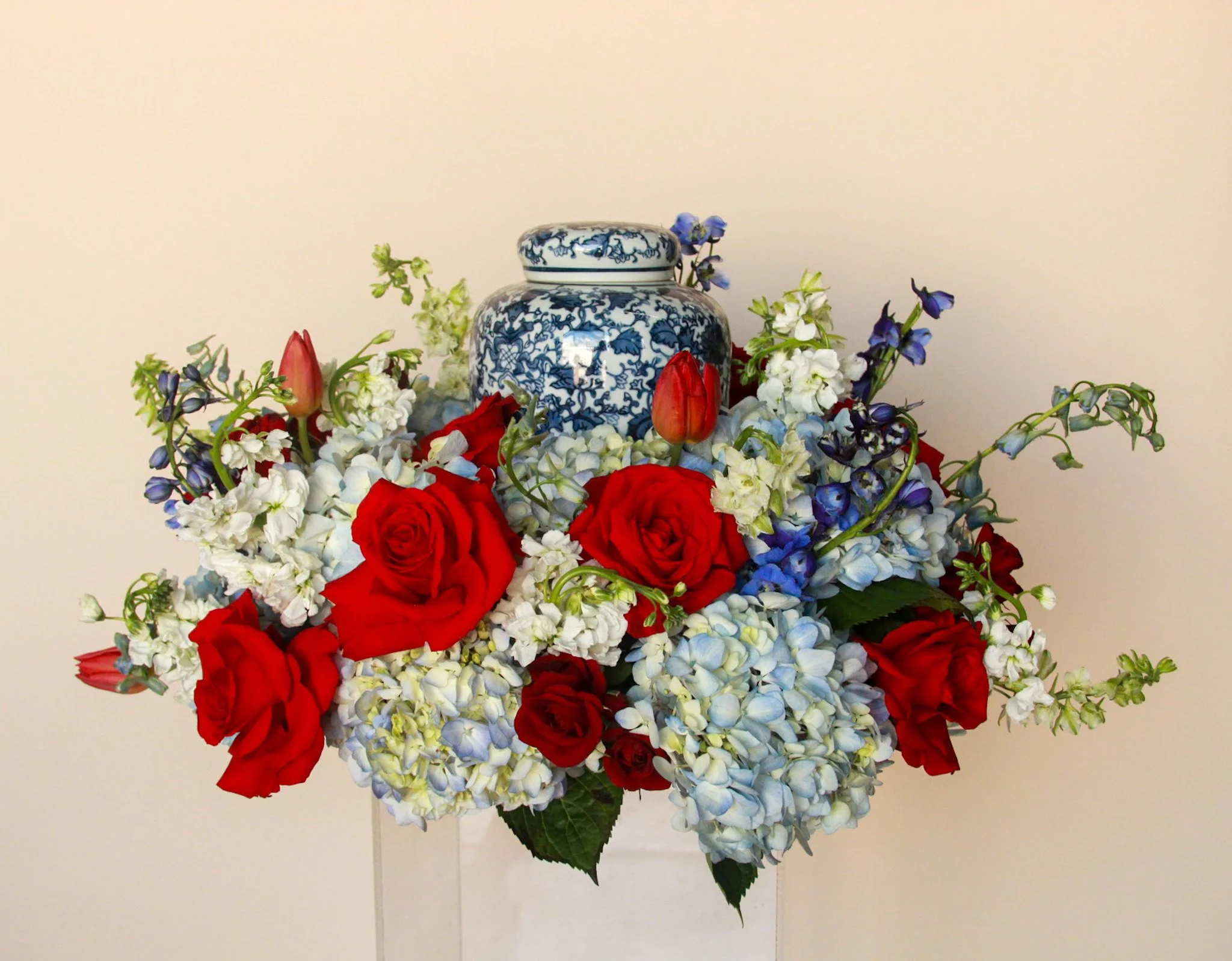
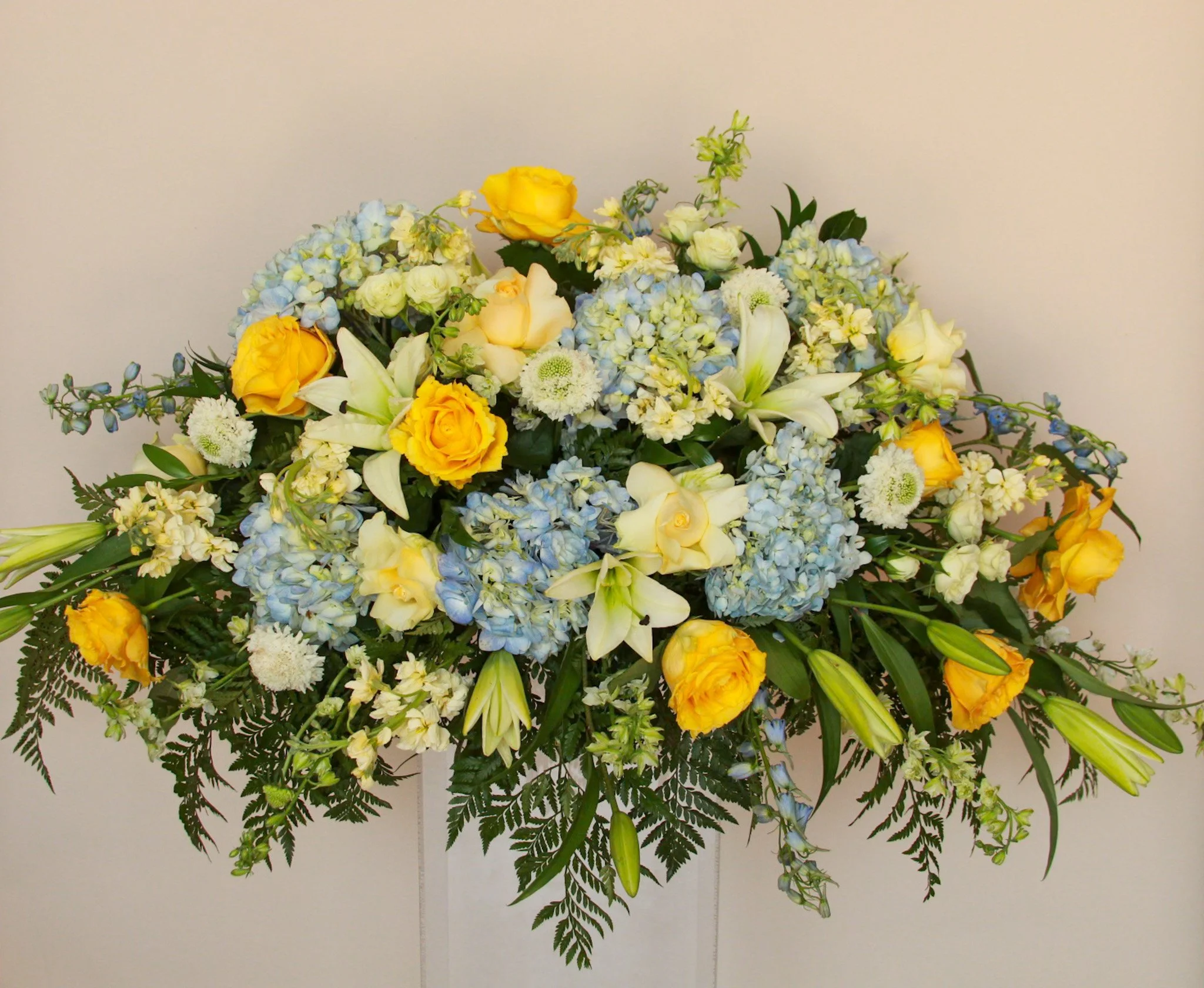
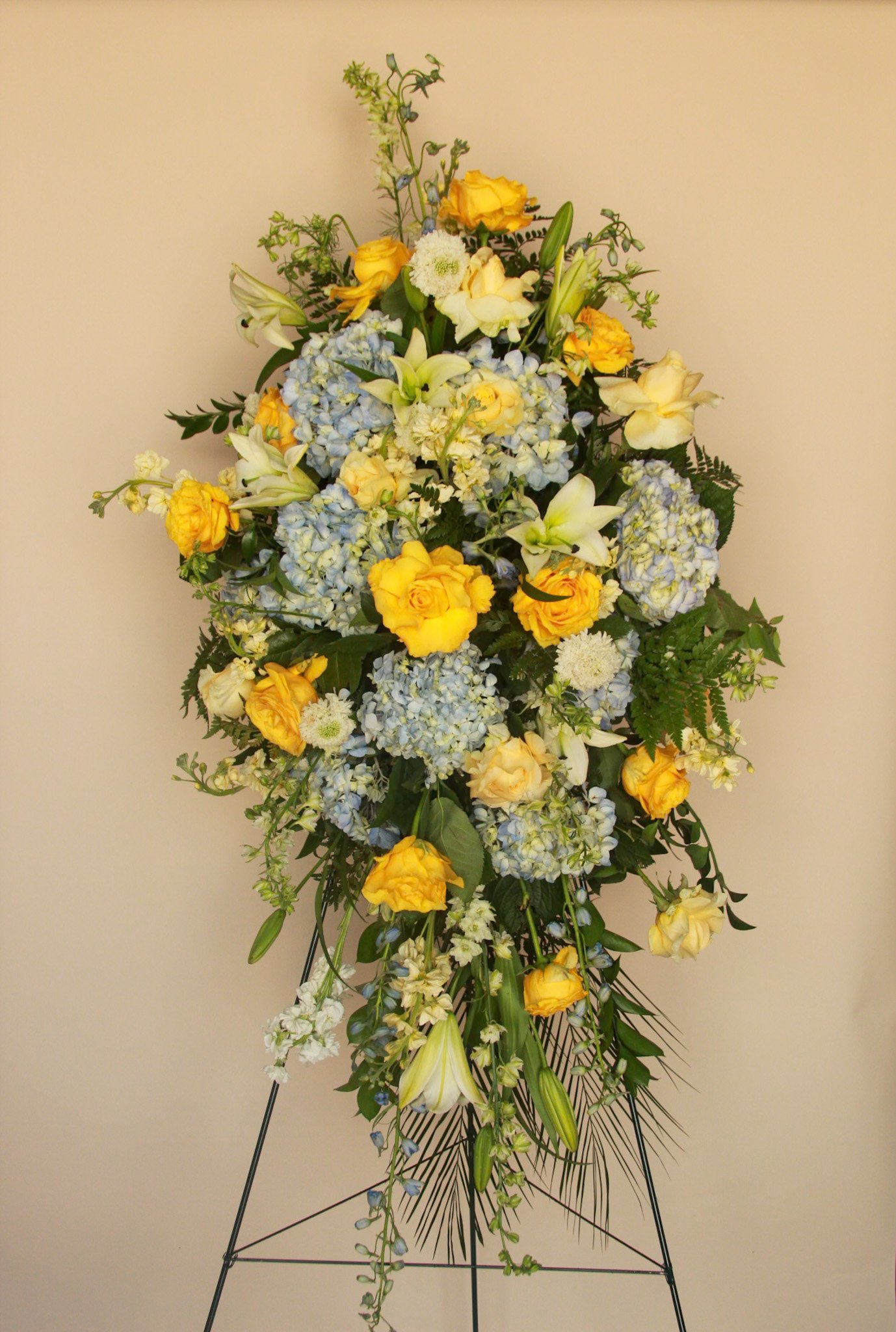
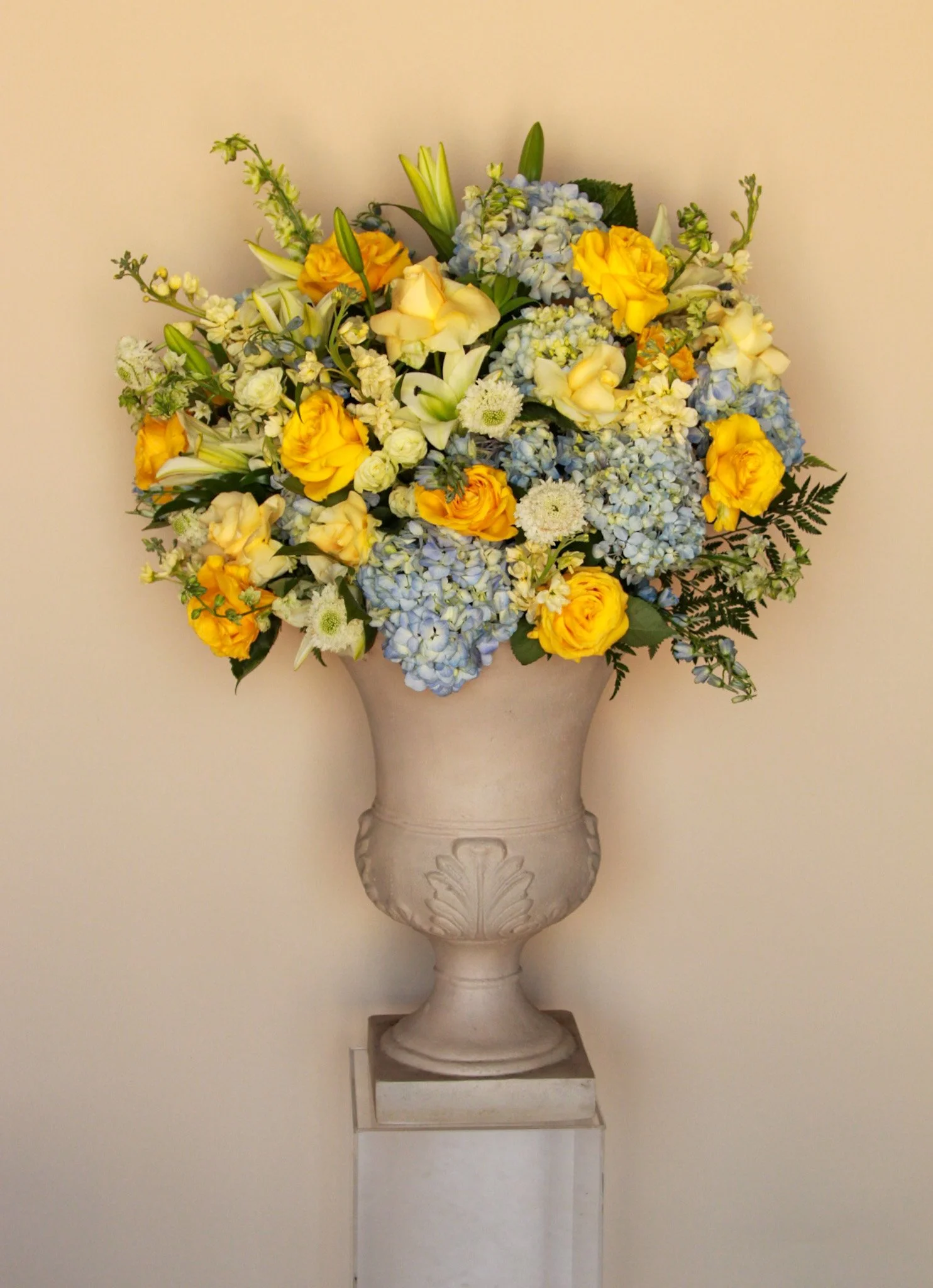
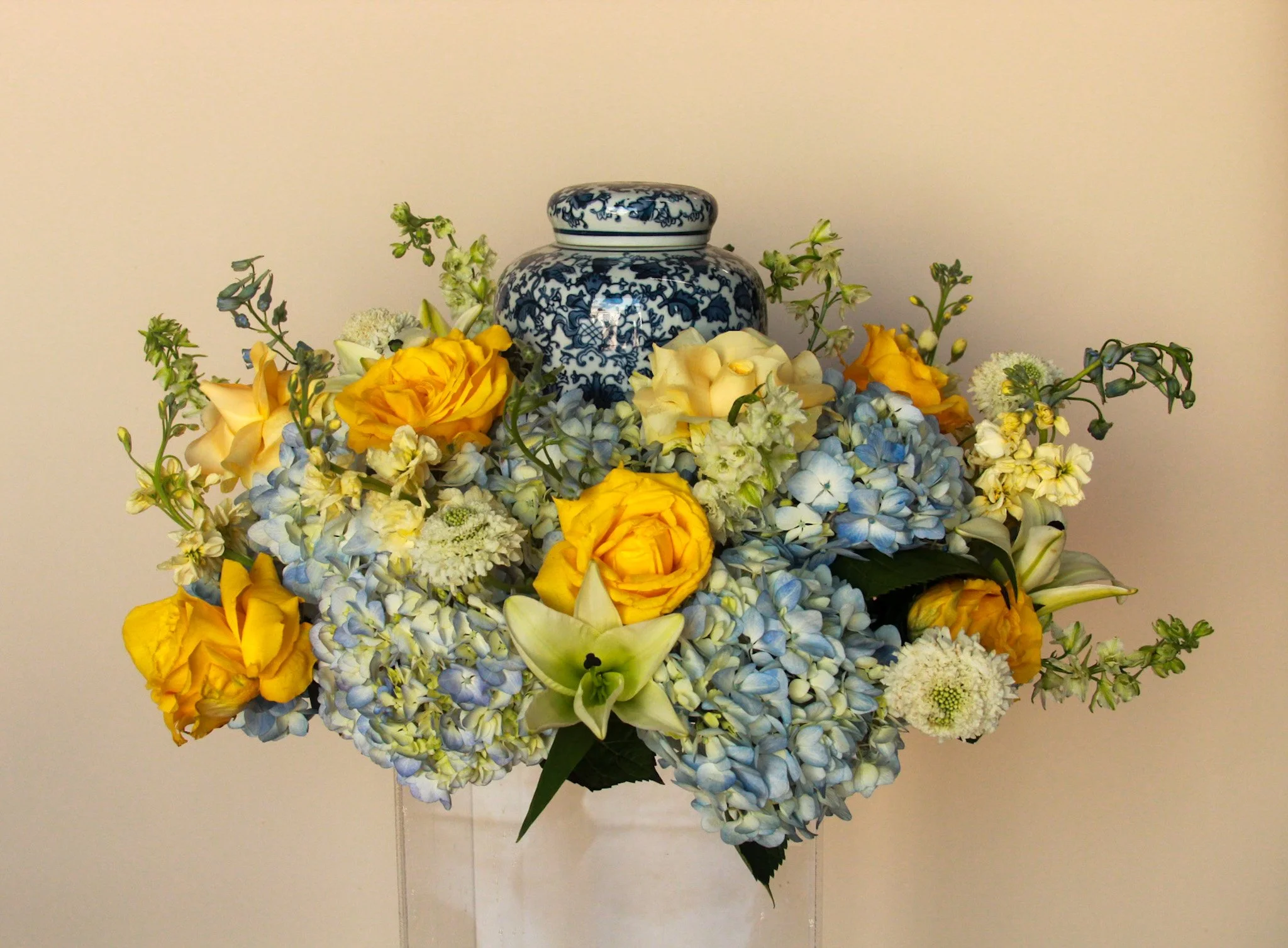
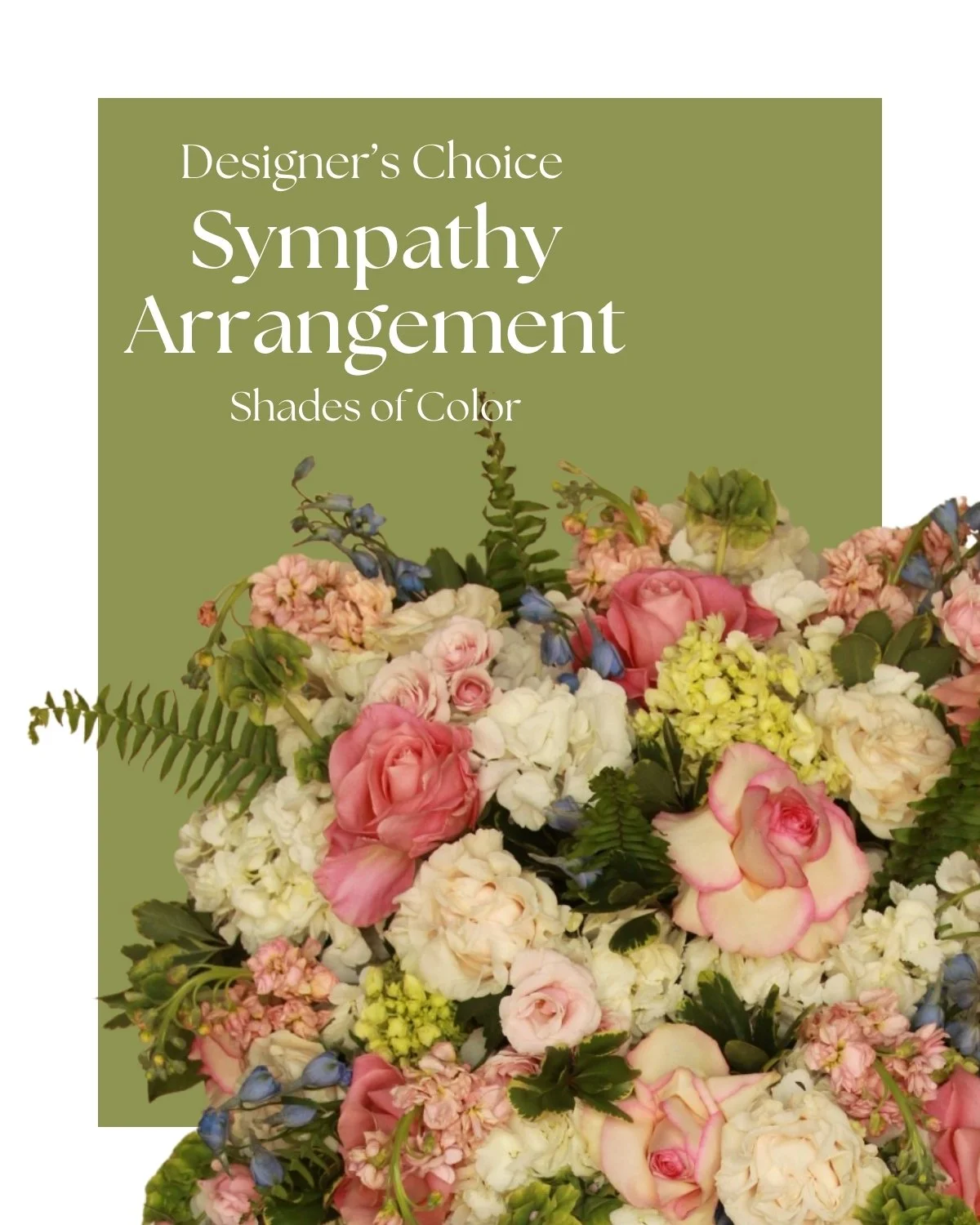
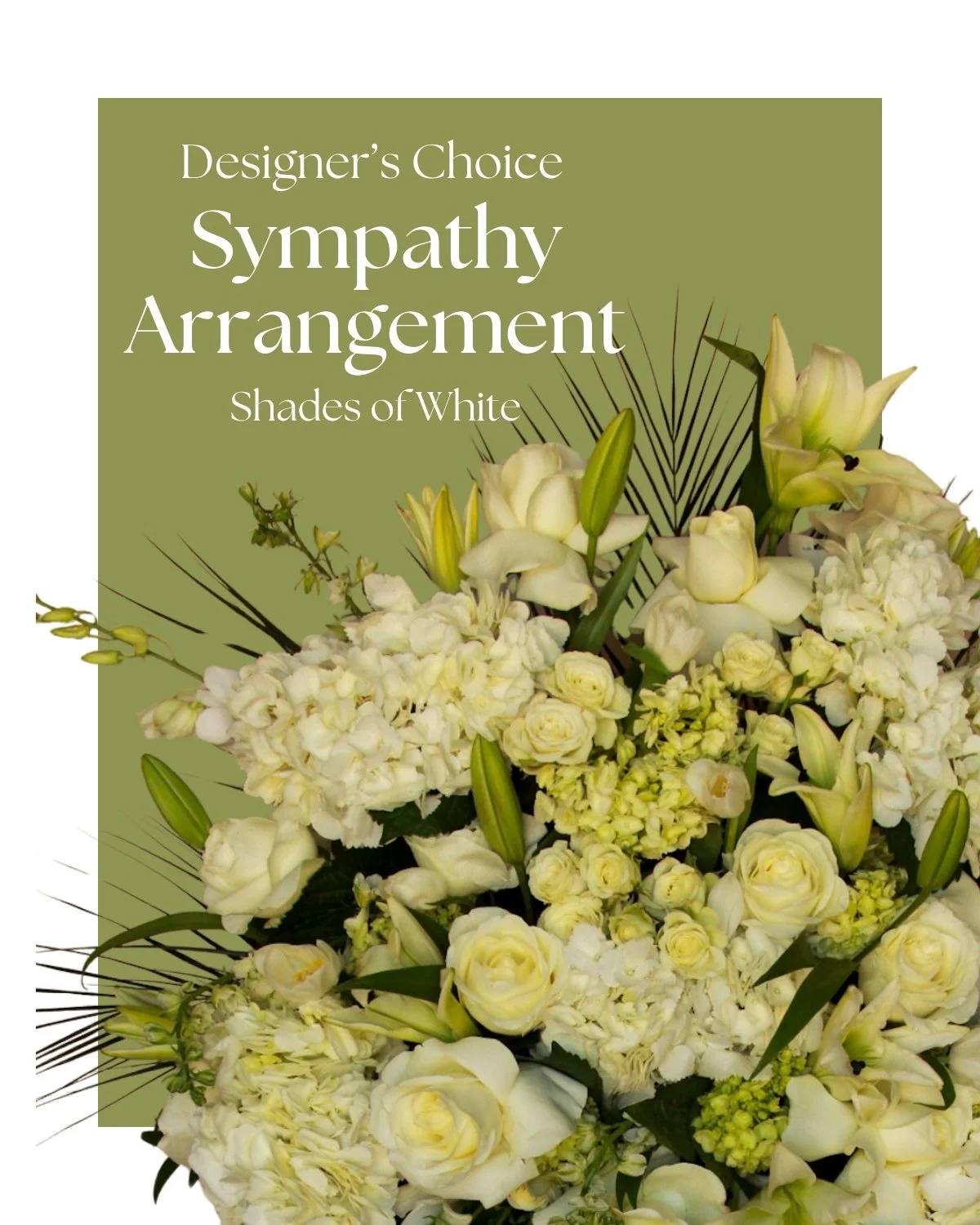
Lilies, roses, orchids, carnations, and chrysanthemums all carry gentle meanings—peace, love, respect, remembrance, and honor. Soft whites, creams, and pastels create a sense of support for the family without overwhelming the space.
What’s the etiquette for sending sympathy flowers?
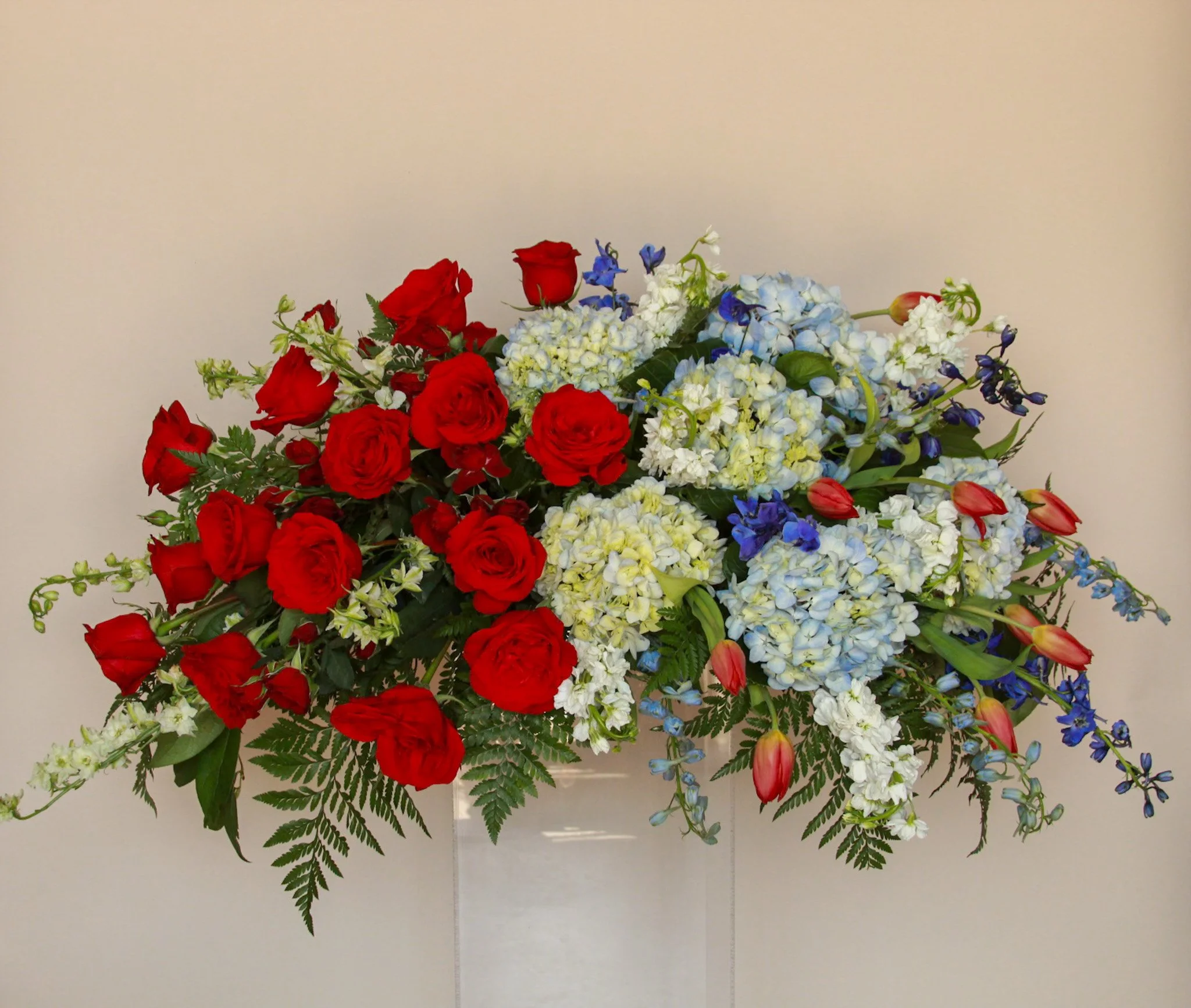
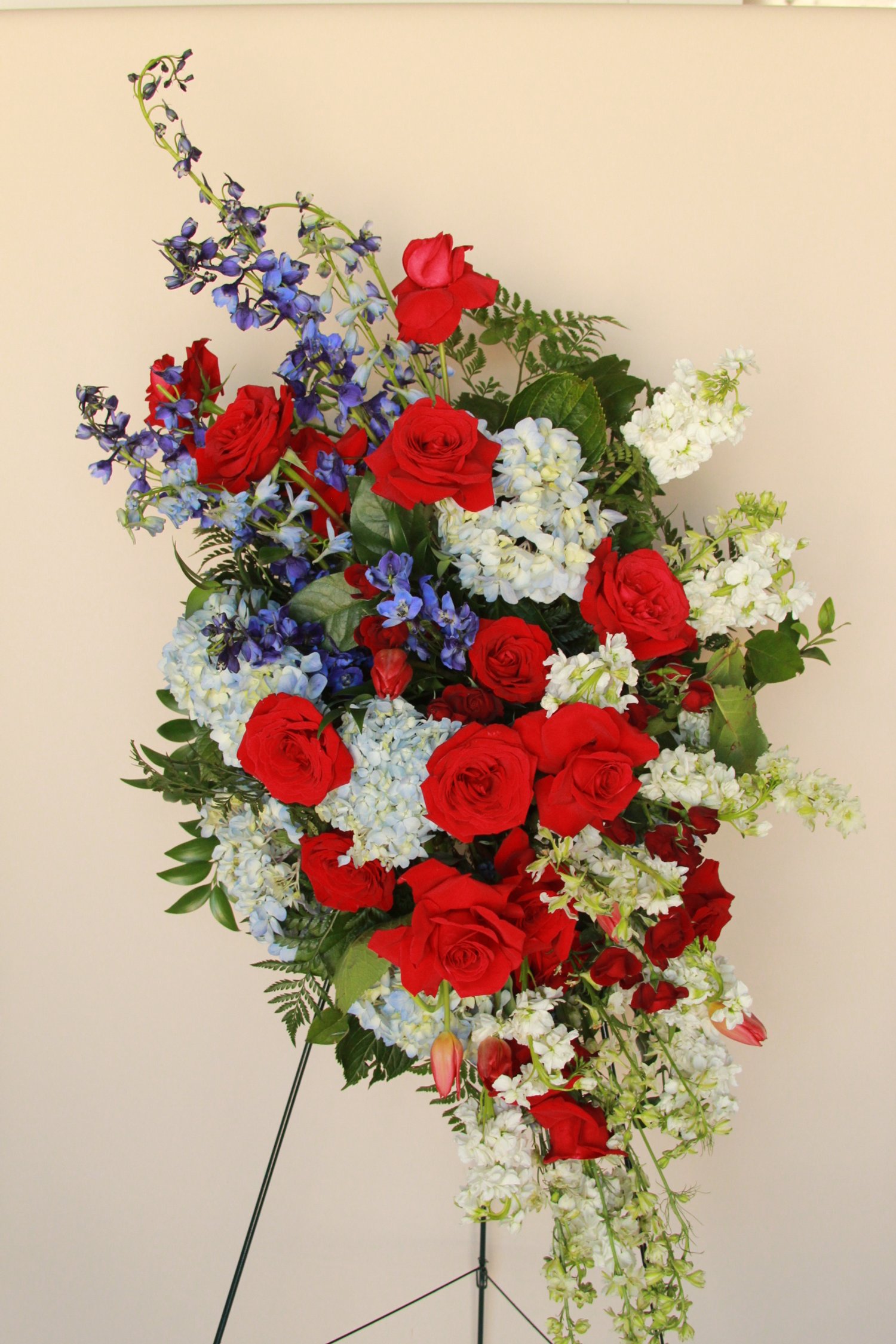
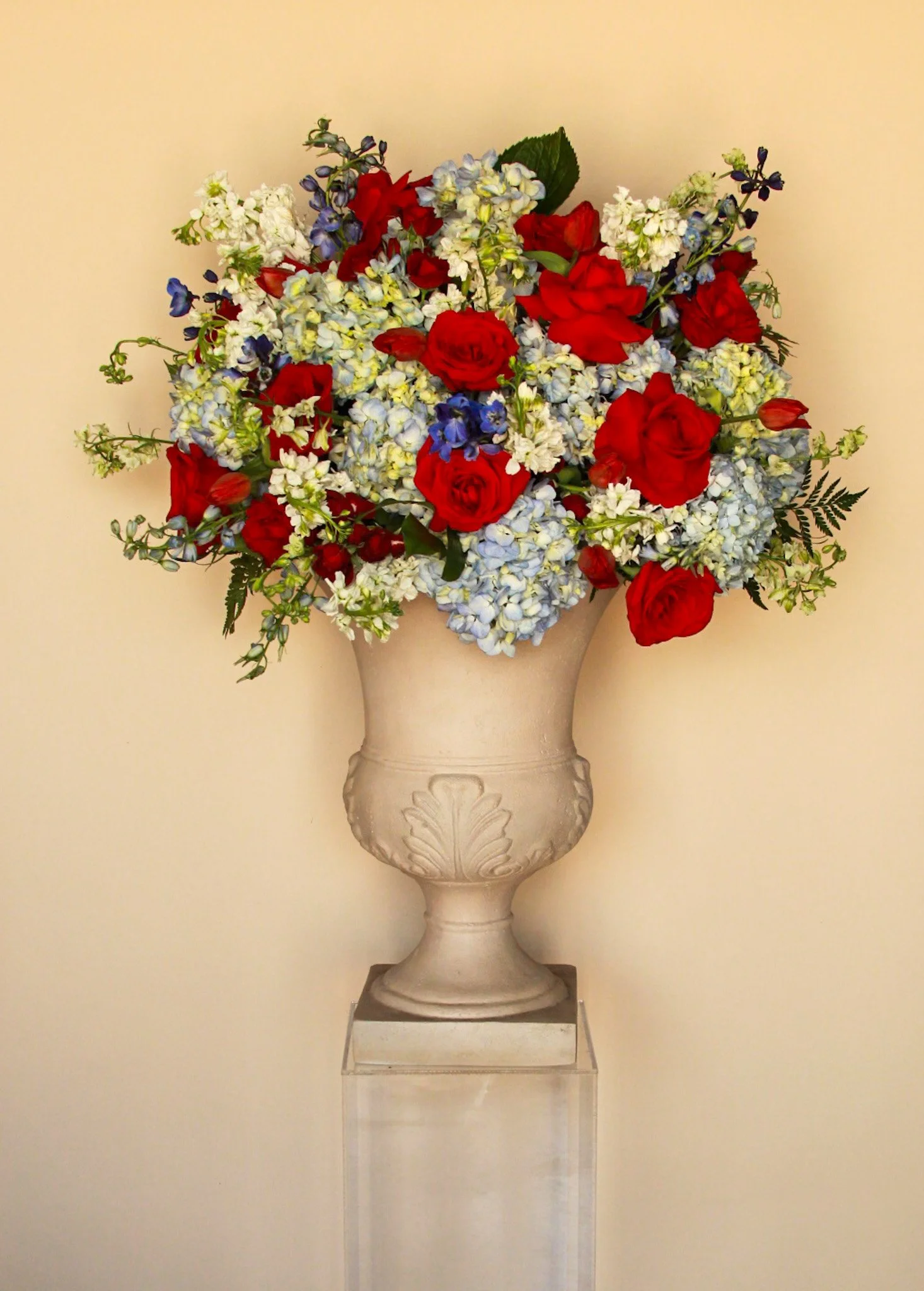
The etiquette for sending flowers depends largely on where they are being sent and the specific wishes of the family. Funeral flowers, such as large sprays or wreaths, are sent directly to the funeral home to honor the deceased, while sympathy flowers are smaller, more personal arrangements intended for the family’s home. Before ordering, always check the obituary for "in lieu of flowers" requests; if the family prefers donations to a specific charity, it is best to honor that wish, perhaps following up later with a small plant for their home to show continued support.
Cultural and timing nuances also play a significant role in making a thoughtful gesture. In certain traditions, such as the Jewish faith, flowers are not customary, and food or fruit baskets are preferred instead. For the funeral service itself, arrangements should arrive before the first visitation, whereas home deliveries can be sent at any time. Sending a bouquet or a "living memorial" like a peace lily, a few weeks after the service, can be especially meaningful, as it provides comfort during the quiet period when the initial wave of support has begun to fade.
What is the 3–5–8 rule in floral design?
The 3–5–8 rule keeps a bouquet balanced: three standout blooms for focus, five textured or leafy stems for structure, and eight smaller flowers to fill spaces. Following this ratio helps your arrangement look naturally harmonious.
Is it ever too late to send sympathy flowers?
It’s never too late. A bouquet or potted plant sent days or even weeks after the service gently reminds the family that they’re still in your thoughts. Often, the initial wave of support fades once the funeral ends, making a later arrival even more meaningful. Whether it's a month later or on a significant anniversary, a thoughtful gesture shows that the person’s memory and the family's journey remain close to your heart.